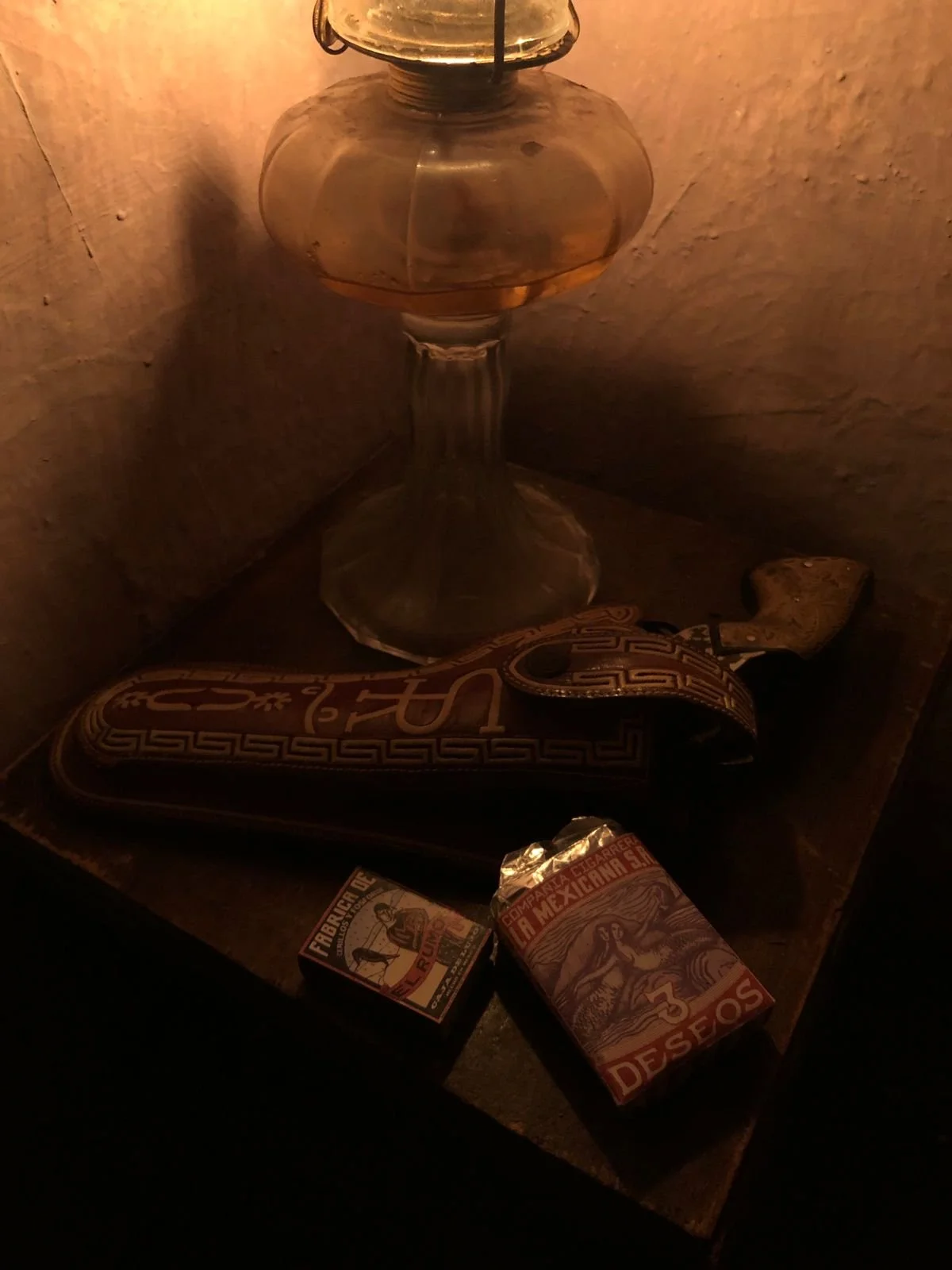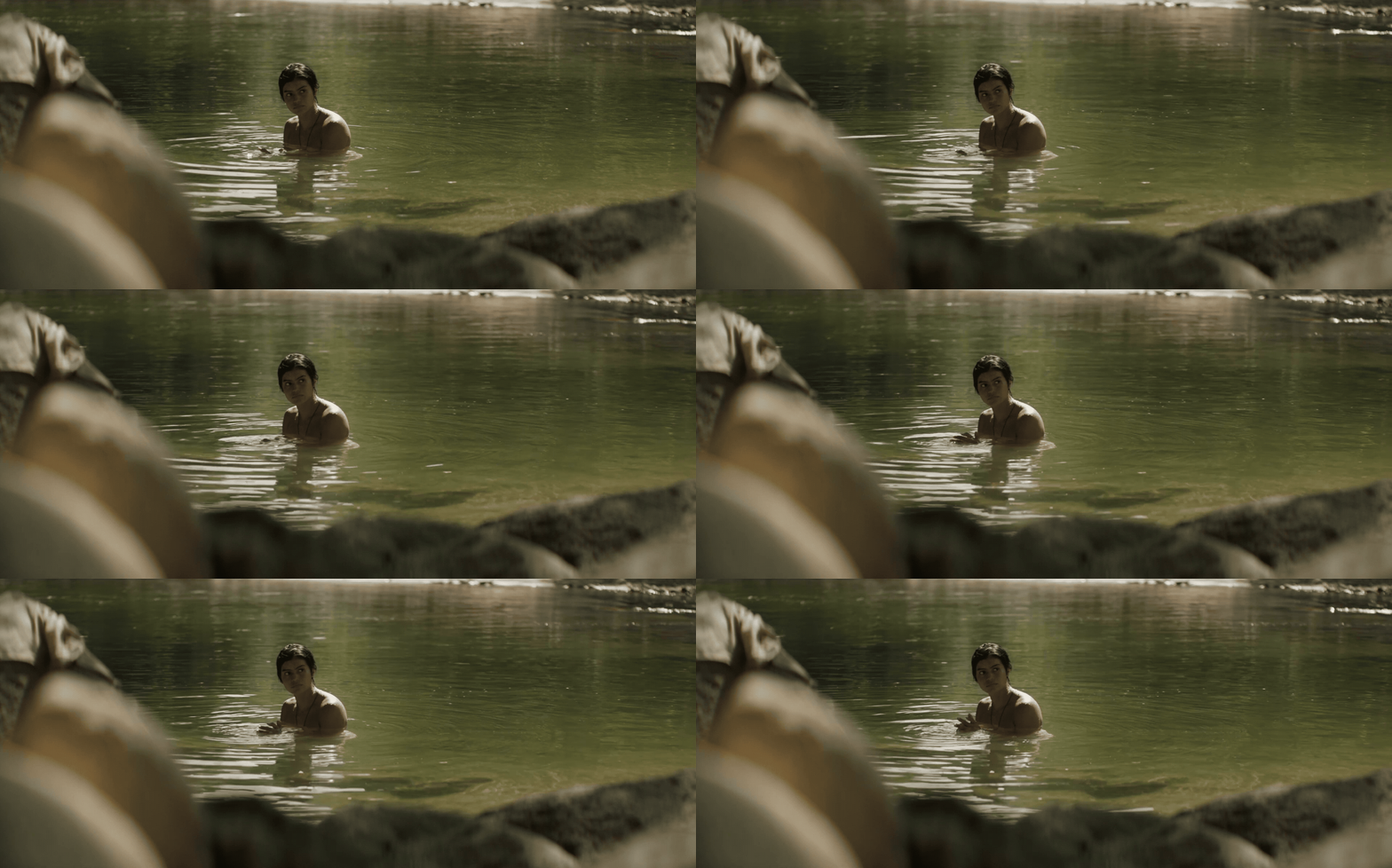
THE MULETEER | 2024A narrative of freedom, desire, and territory.
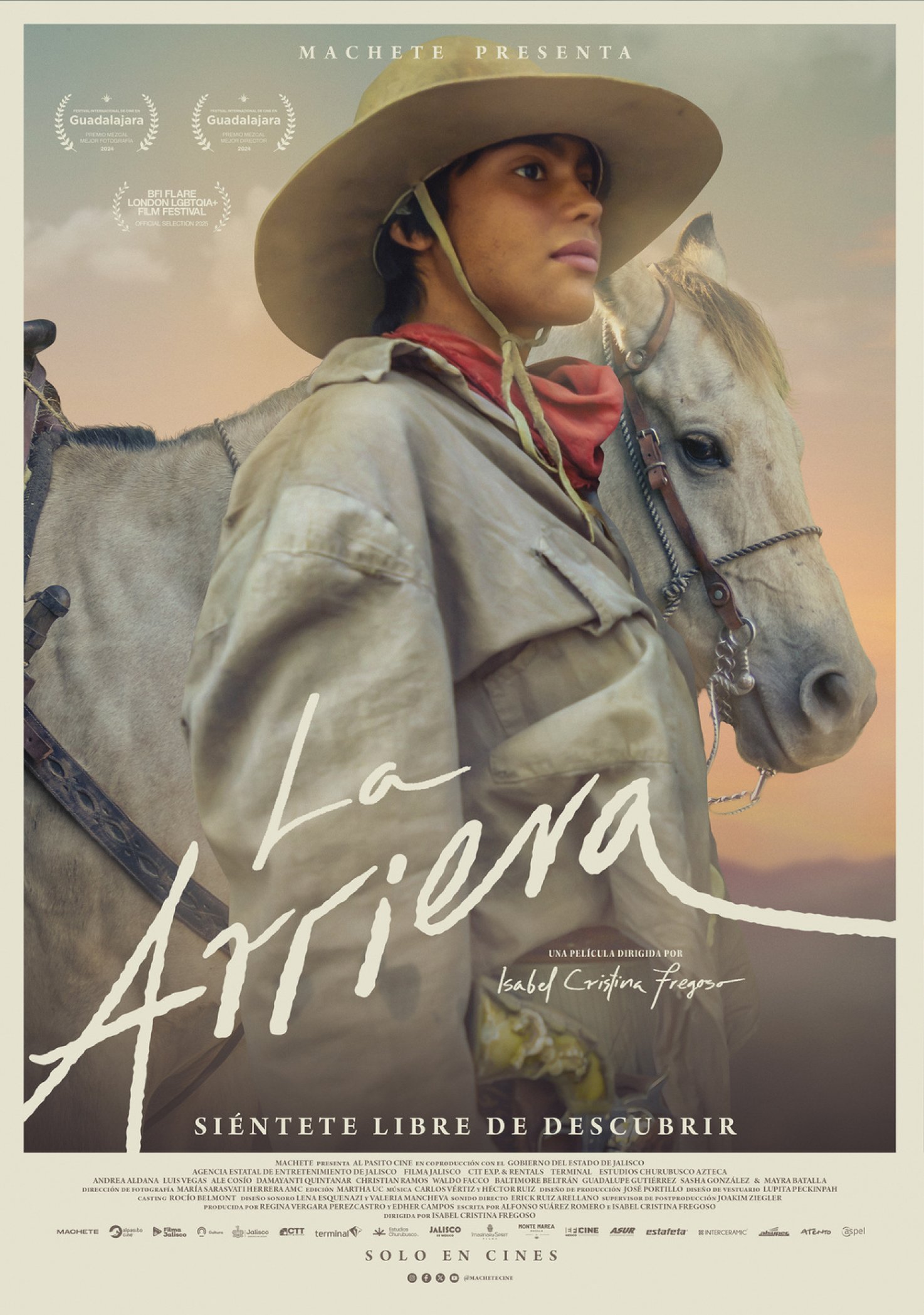
The Muleteer
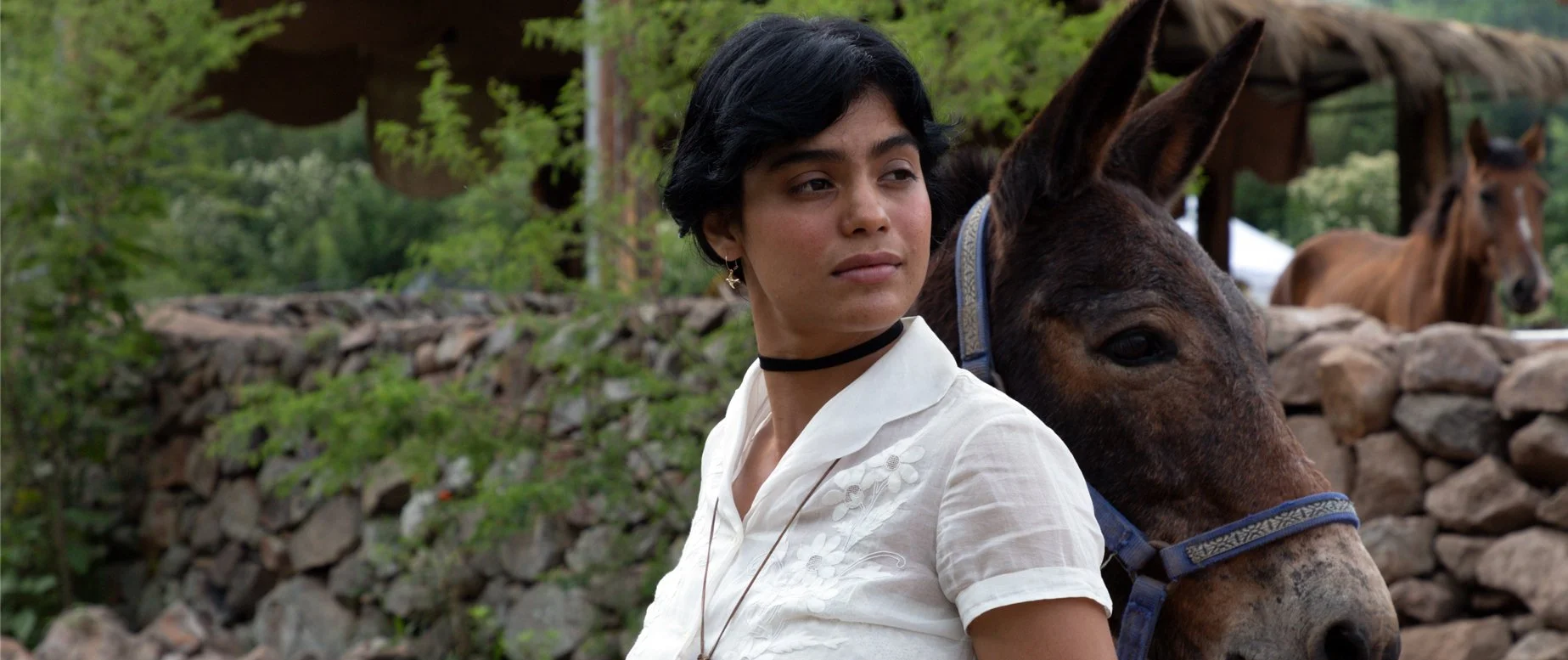
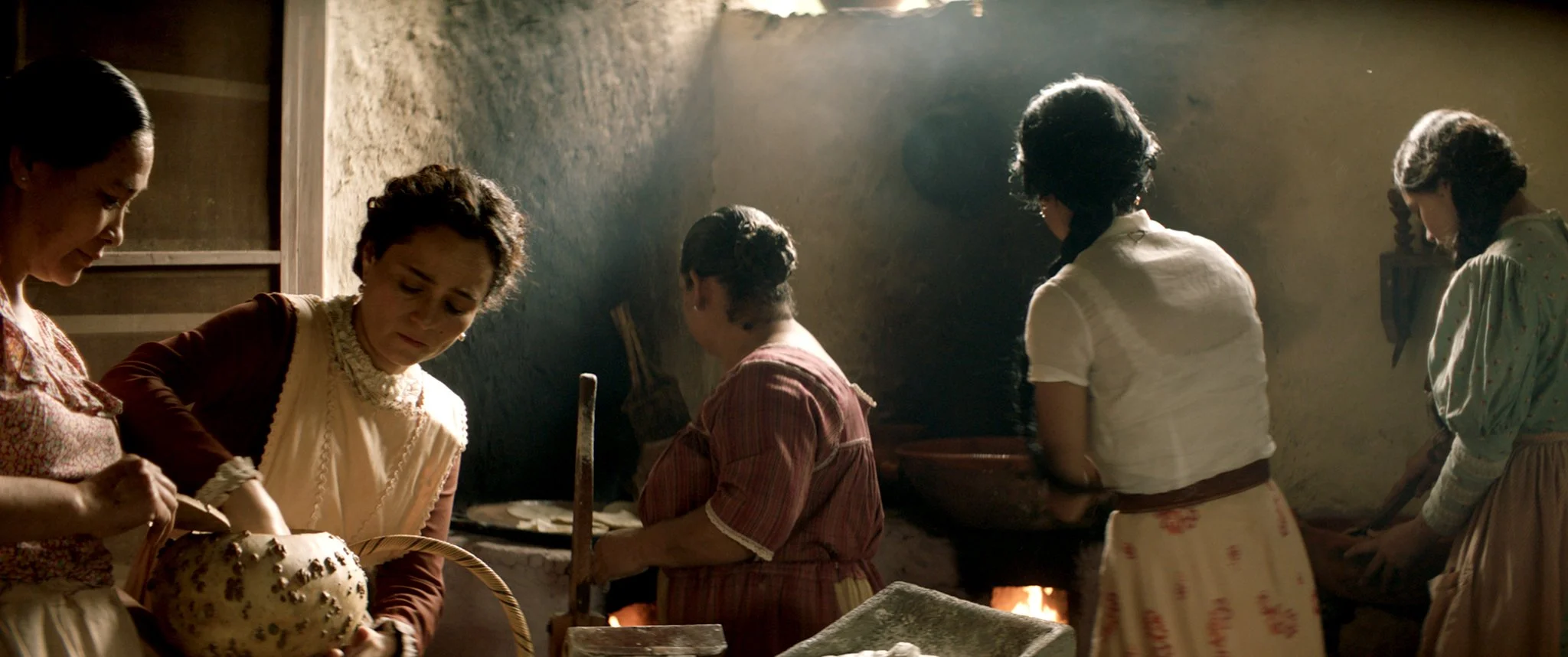
Jalisco, 1930A teenage girl runs from her origins, crossing territories where she discovers another way of loving and inhabiting her identity.
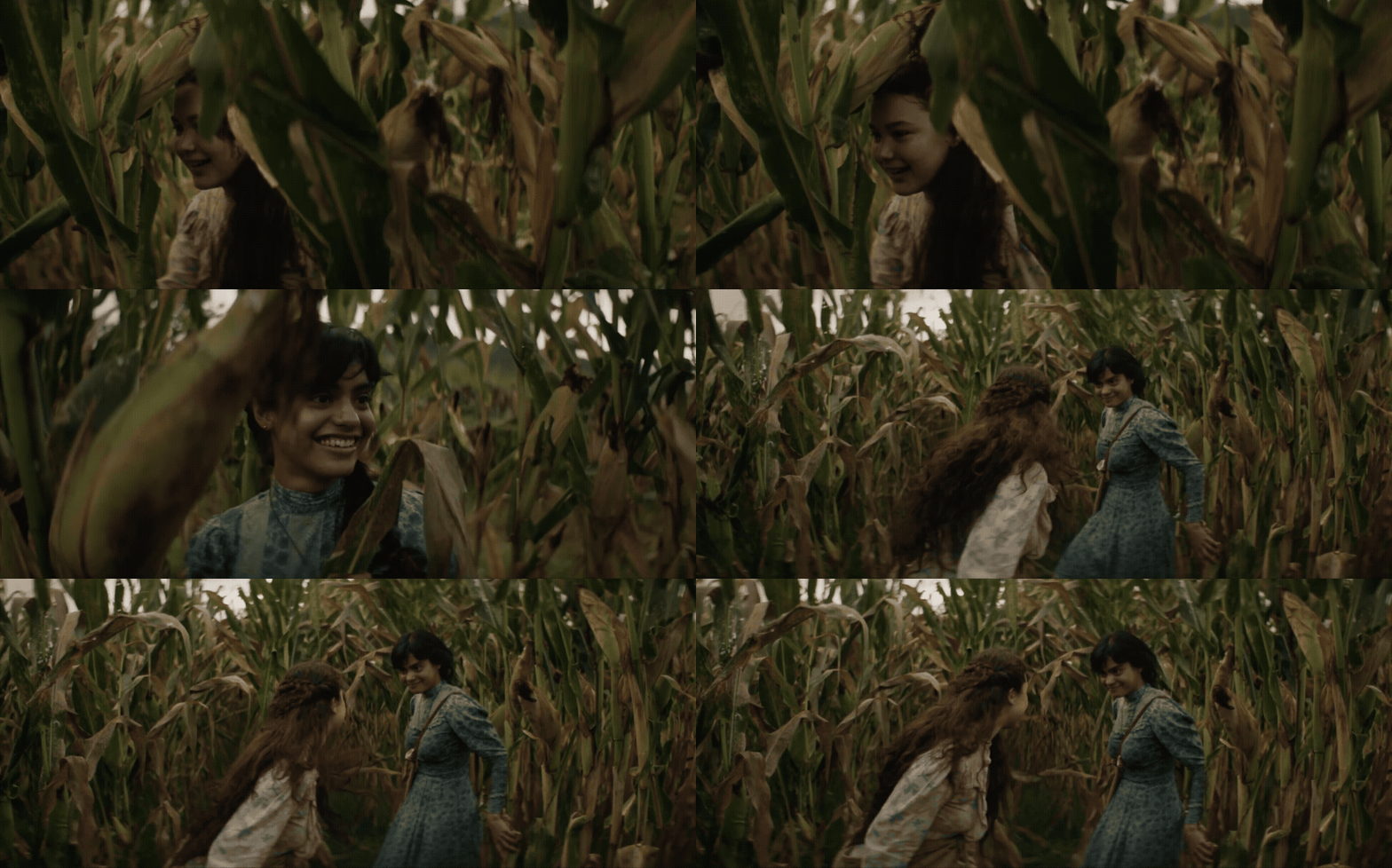
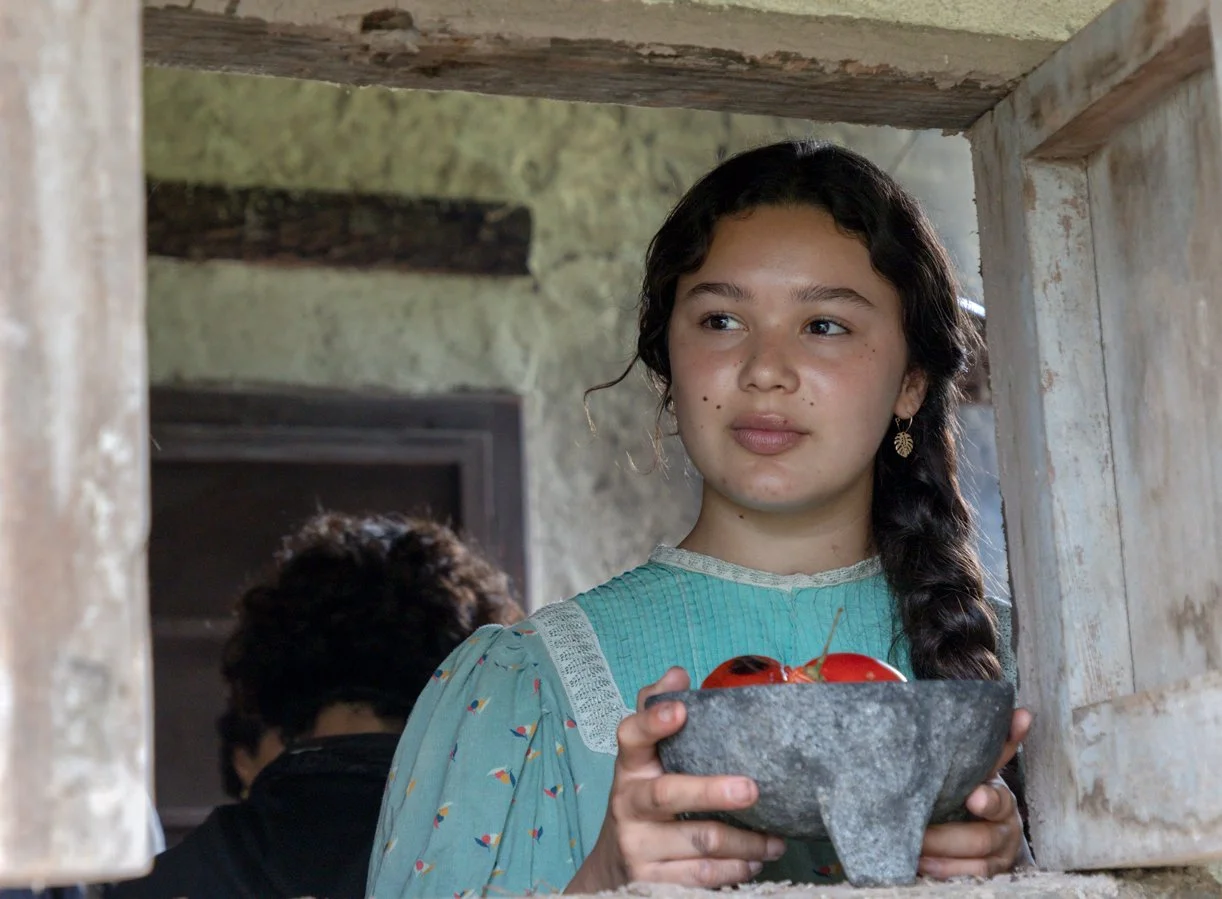
sYnopsisEmilia escapes the ranch where she grew up in search of her biological father.
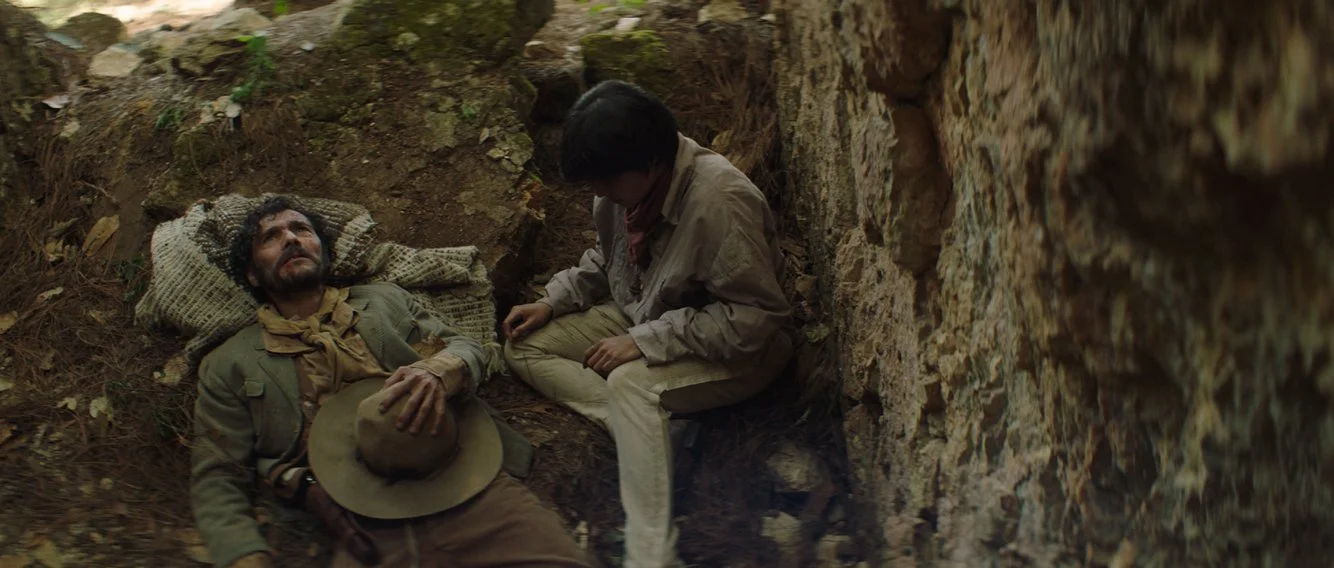
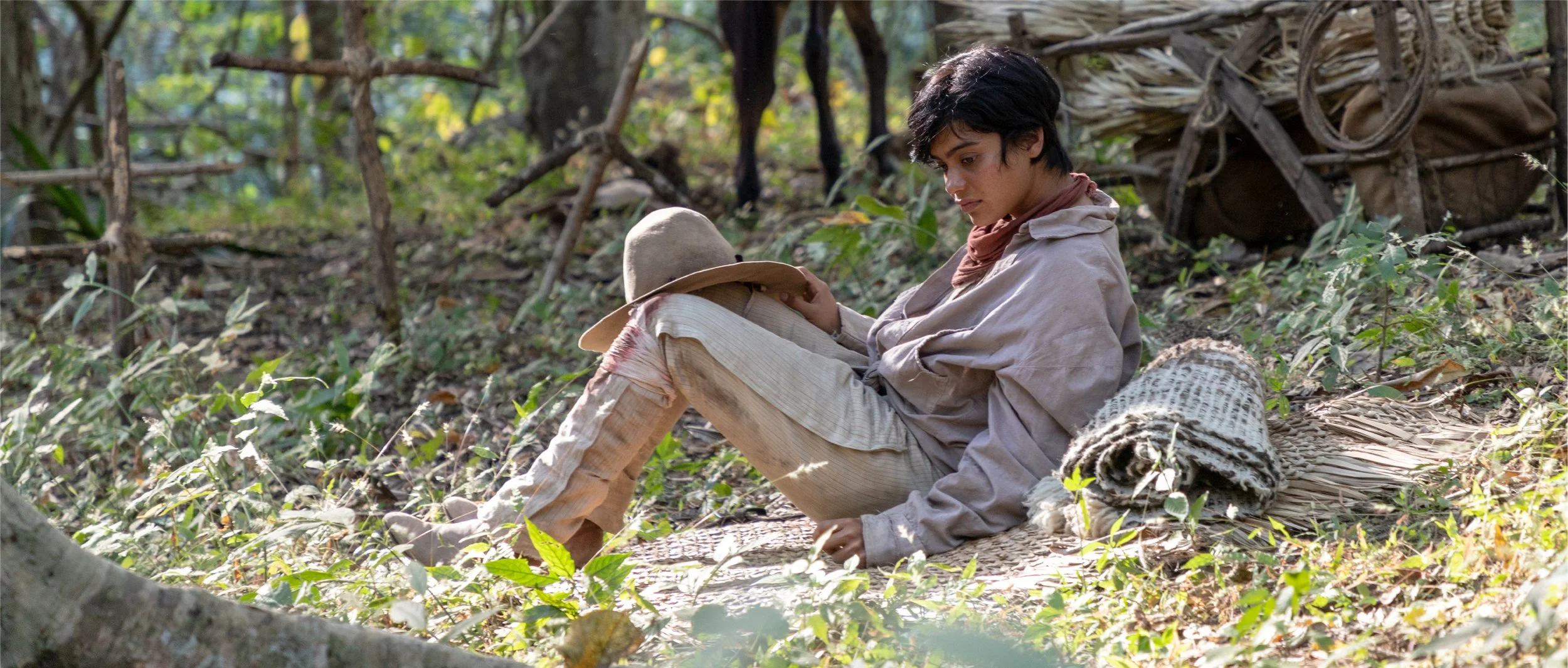
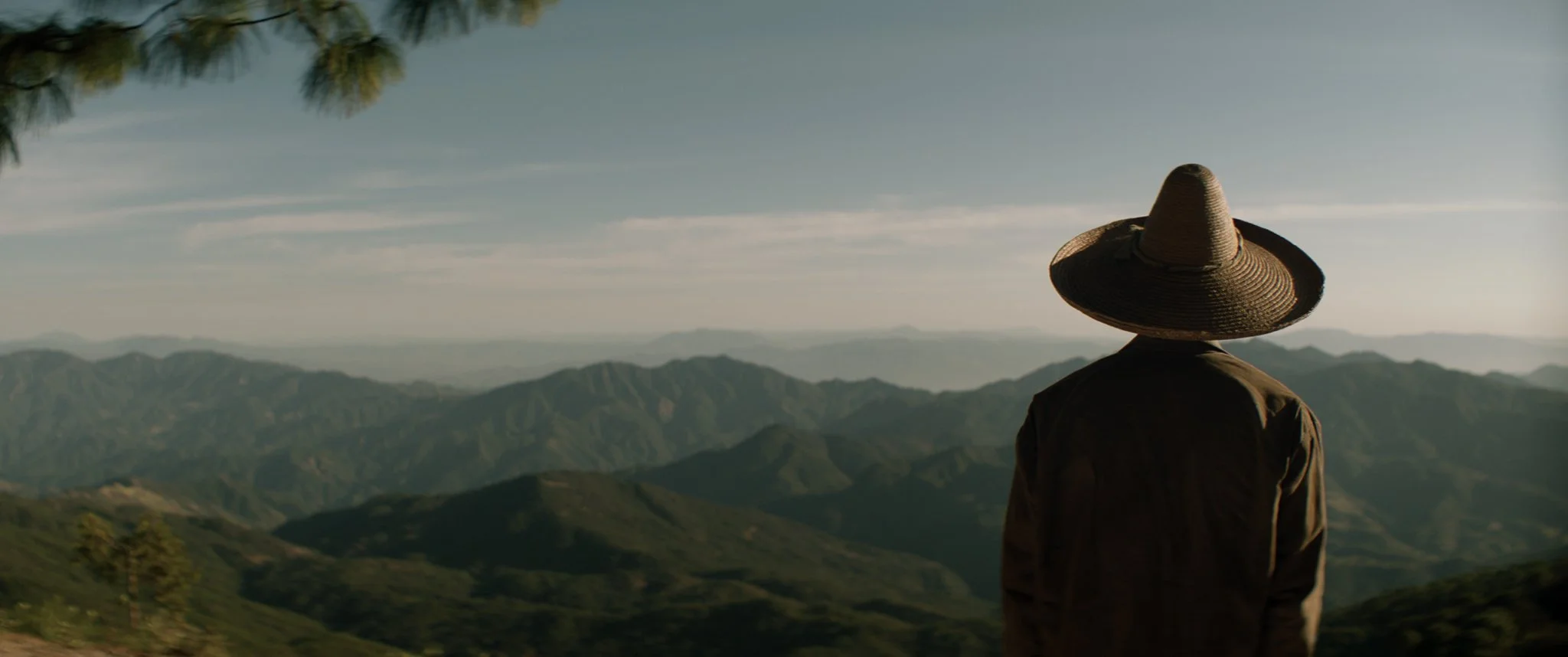
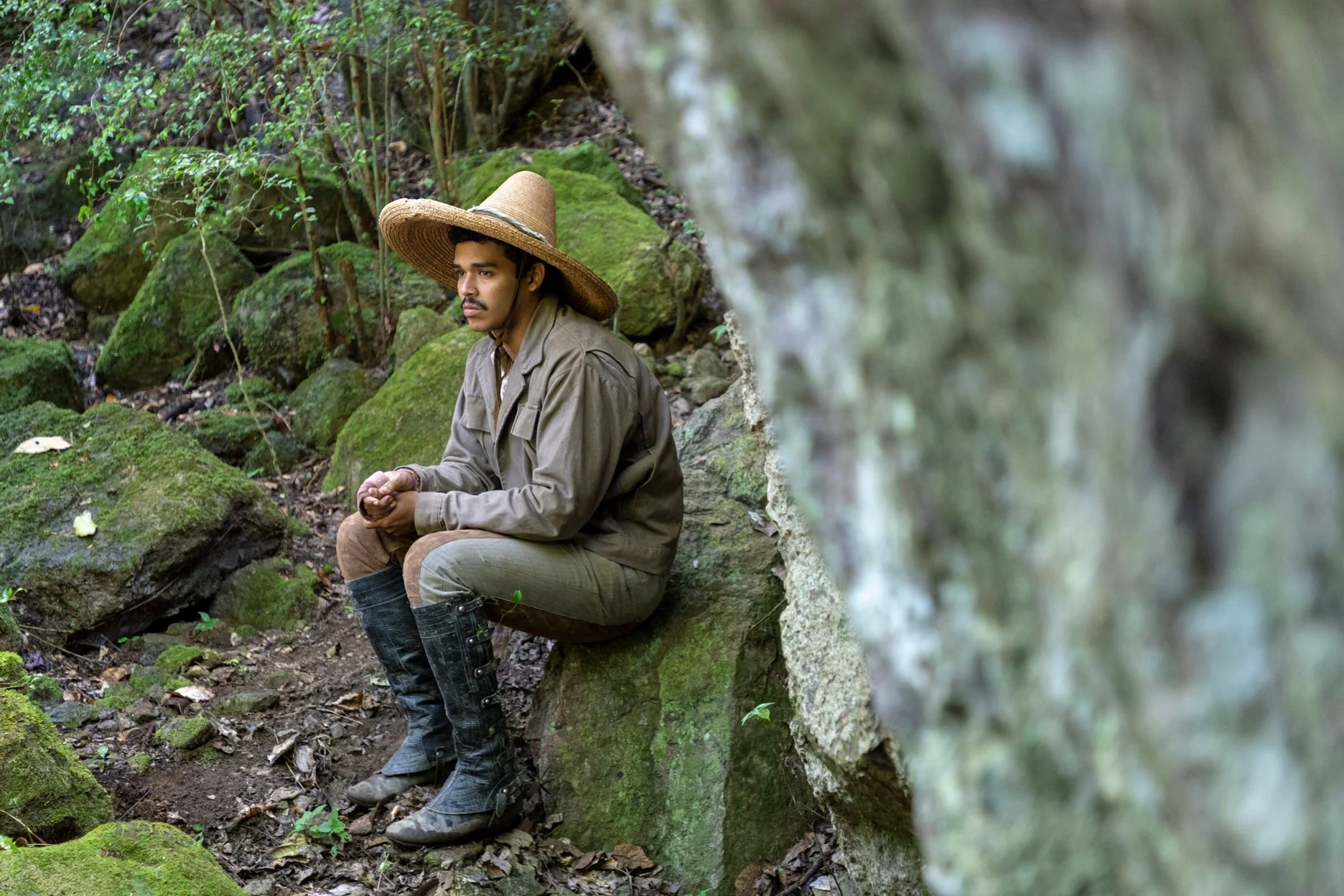
Dressed as a muleteer to conceal her identity, she crosses the mountains toward the sea.
Along the way, the journey shifts: what begins as an external search becomes an intimate process in which body, desire, and memory reshape her destiny.
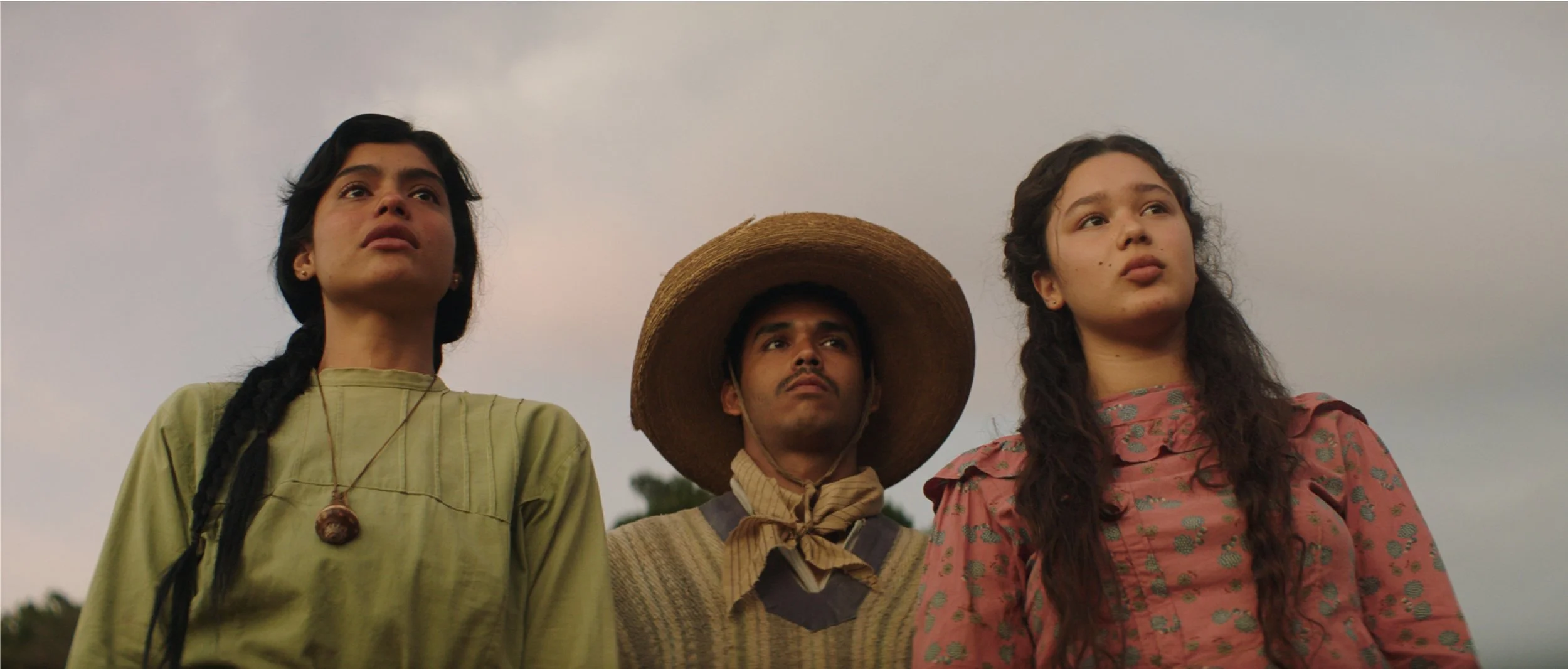

“A dialogue between two generations”
“A transgressive awakening of sexuality”
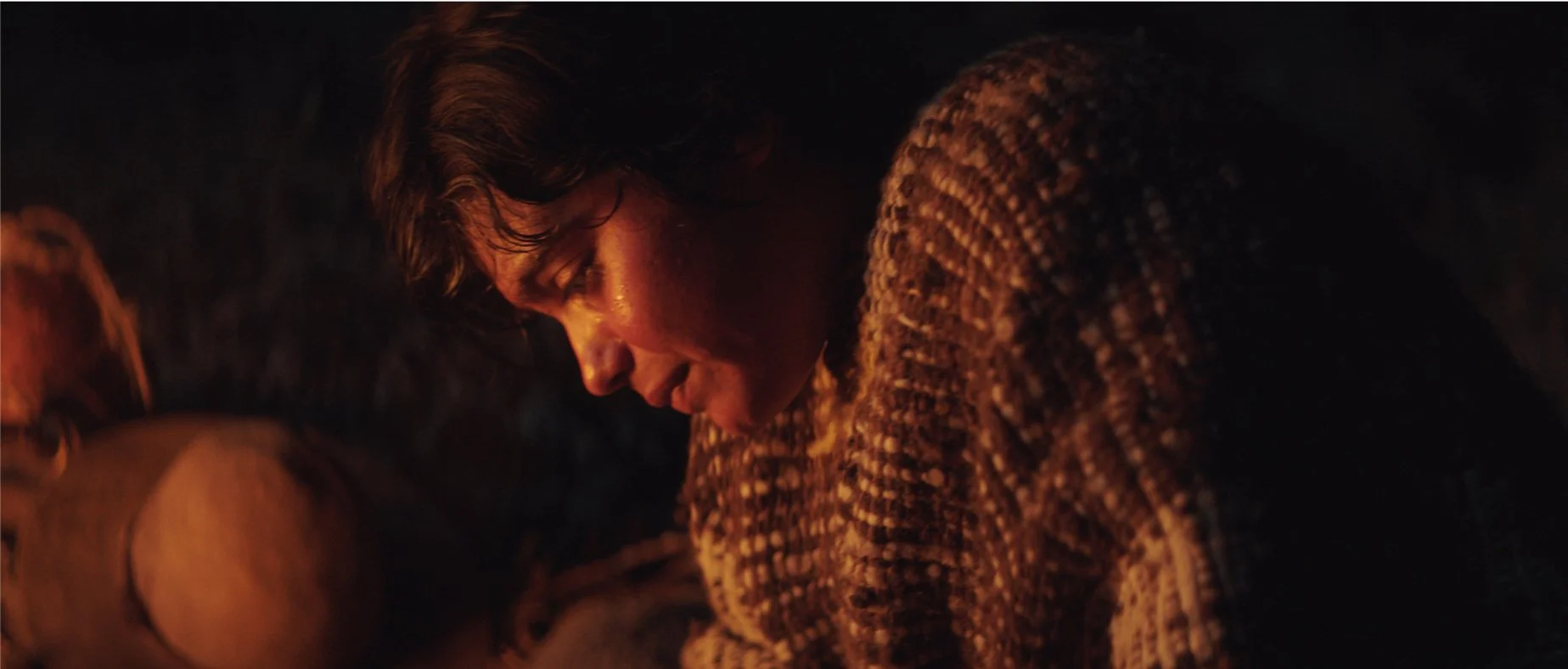
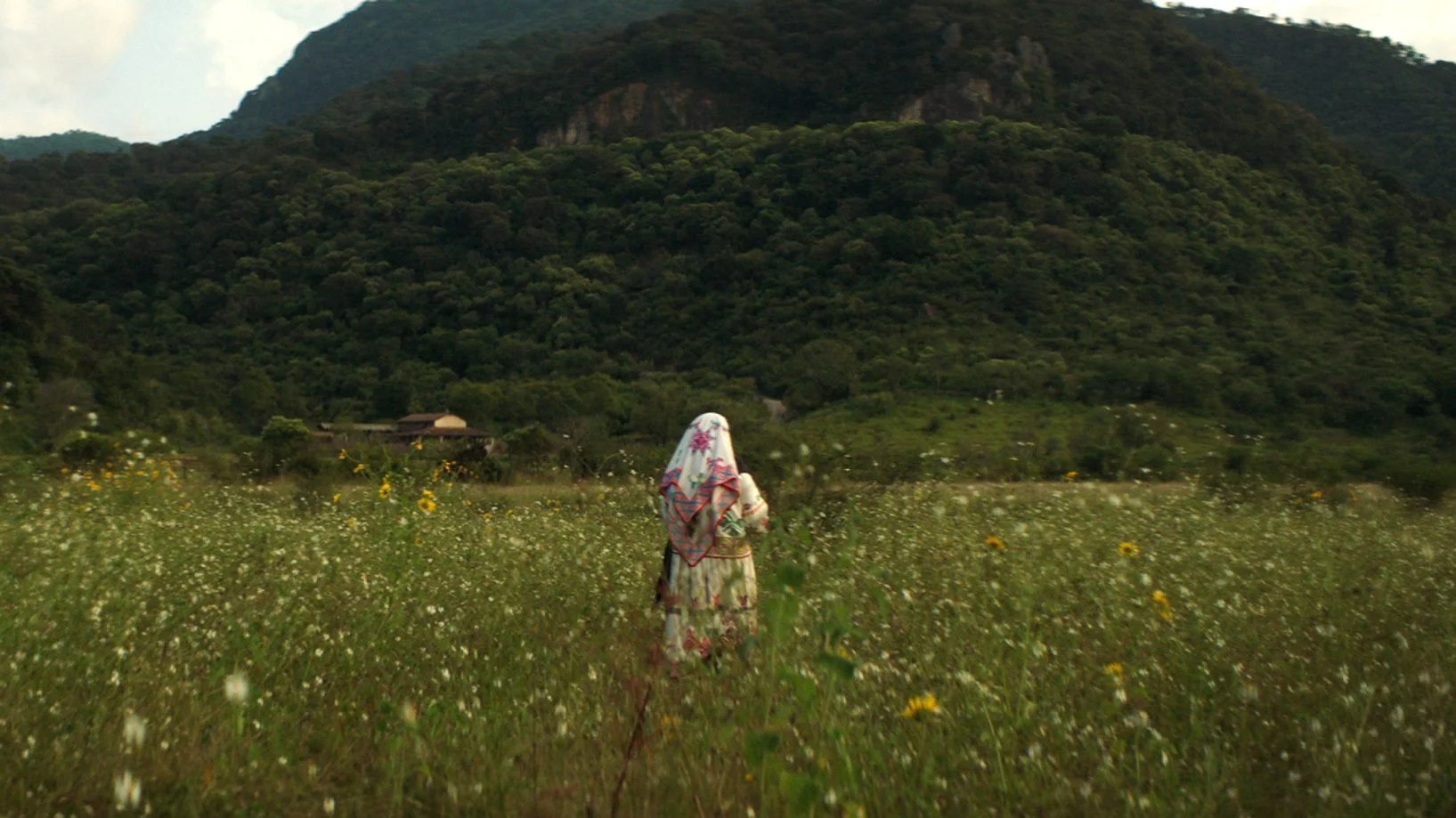
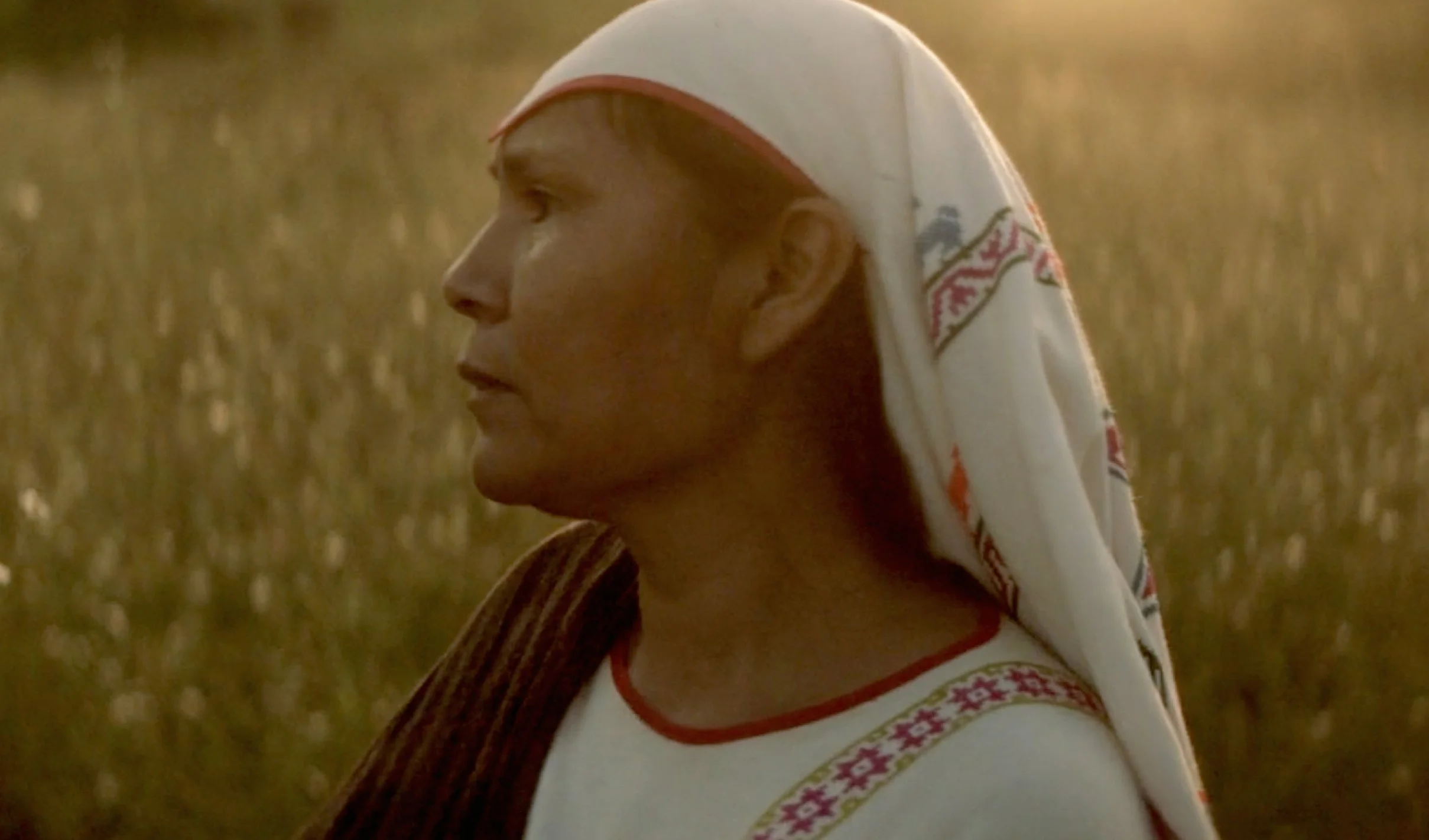
Beyond a period film, it is an experience in which territory crosses the body and transforms identity.
FICG 39
Guadalajara International Film Festival
Guadalajara, Jalisco, Mexico
June 15, 2024
AWARDSBest Director
Best Cinematography
NOMINATIONSMezcal Award – Best Film
Maguey Award – Best Film
Hecho en Jalisco Award
Best Mexican Fiction Film
Ariel Awards
67th Ariel Awards — 2025NOMINAtIONSBest Breakthrough Performance — Ale Cosío
Best Cinematography — María Sarasvati Herrera
Best Costume Design — Lupita Peckinpah
Official Sections
(Featured)World Premiere — Guadalajara International Film Festival
June 13, 2024Official Selection — BFI Flare: London LGBTIQ+ Film Festival
London, United Kingdom
March 21, 2025
Official Selection — OUTshine LGBTQ+ Film Festival
United States
October 17–24, 2024
Official Selection — Reel Out Queer Film Festival
Kingston, Canada
February 8, 2025
Official Selection — Portland Latin American Film Festival
Portland, USA
November 6, 2024
Opening Film — MIX Mexico Festival
Cineteca Nacional, Mexico City
June 19, 2025
La Arriera has built a strong trajectory across national and international film festivals, establishing itself as a relevant work within contemporary Mexican cinema with a focus on gender and diversity.
The film had its world premiere at the Guadalajara International Film Festival (2024), where it received the awards for Best Director and Best Cinematography, in addition to multiple nominations within the official selection, including the Mezcal Award and the Maguey Award.
Following its premiere, the film has continued a significant international run, with selections at key festivals such as the BFI Flare: London LGBTIQ+ Film Festival (United Kingdom), the OUTshine LGBTQ+ Film Festival (United States), and the Reel Out Queer Film Festival (Canada), strengthening its presence within the global LGBTQ+ film circuit, as well as screenings in Switzerland, Spain, Hungary, Argentina, Colombia, the ¡Viva México! Festival in Paris, and GLAFF.
In Mexico, beyond its participation at the Guanajuato International Film Festival, the film was also selected as the opening feature of the MIX Mexico Festival at the Cineteca Nacional, one of the most significant spaces for LGBTQ+ and diversity-focused cinema in the country.
Its recognition within the national industry was further consolidated with three nominations at the Ariel Awards (2025) in the categories of breakthrough performance, cinematography, and costume design.
Taken together, this trajectory positions La Arriera as a work of strong artistic relevance, international circulation, and critical recognition, distinguished by its auteur-driven perspective on identity, territory, and dissent.
Cast
-
![]()
Emilia
-
![]()
Martín
-
![]()
Caro
-
![]()
Jesús
-
![Inés]()
Inés
-
![Secundino]()
Secundino
-
![Laidita]()
Laidita
-
![Nicolasa]()
Nicolasa






THE MULETEER reflects on courage and freedom in the face of repressiondownload press kit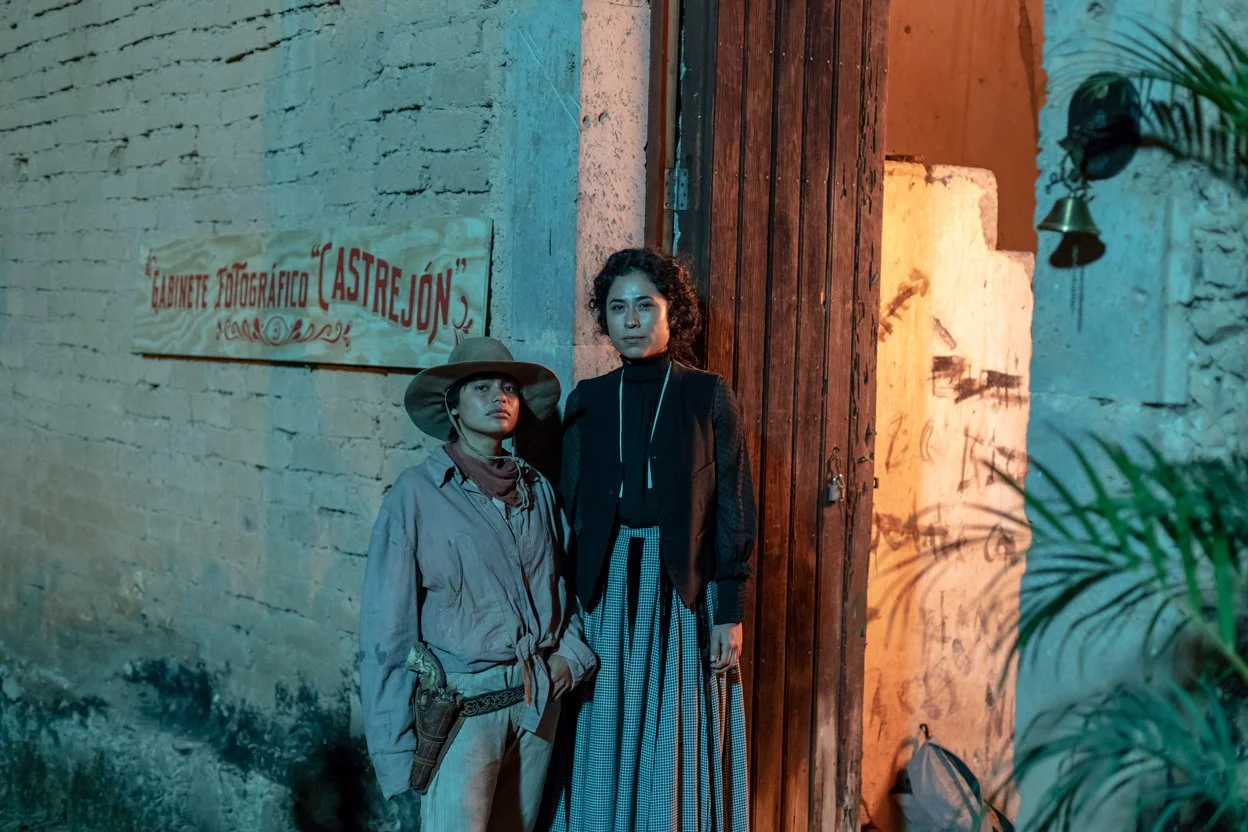
“The Muleteer reclaims dissent in a lyrical, political register.”
— The Hollywood Reporter
the muleteerTechnical Details
Mexico · 2024 · 103 min · Spanish
directionIsabel Cristina Fregoso
Alfonso Suárez Romero, Isabel Cristina Fregoso
ScreenplayRegina Vergara Perezcastro, Eder Campos
ProductionMaría Sarasvati Herrera AMC
photographyEditingMartha Uc
Carlos Vértiz, Héctor Ruiz
musicLena Esquenazi, Valeria Mancheva, Erick Ruiz Arellano
soundJosé Portillo
production designLupita Peckinpah
Costume Design“The historical value of The Muleteer does not lie in its style or production, but in the radical dismantling of the most reactionary genre in Mexican cinema—the charro film—by a woman filmmaker, from a position outside whiteness, criollo lineage, and patriarchal mandate”
— Mexican Film Archive A.C.
production design